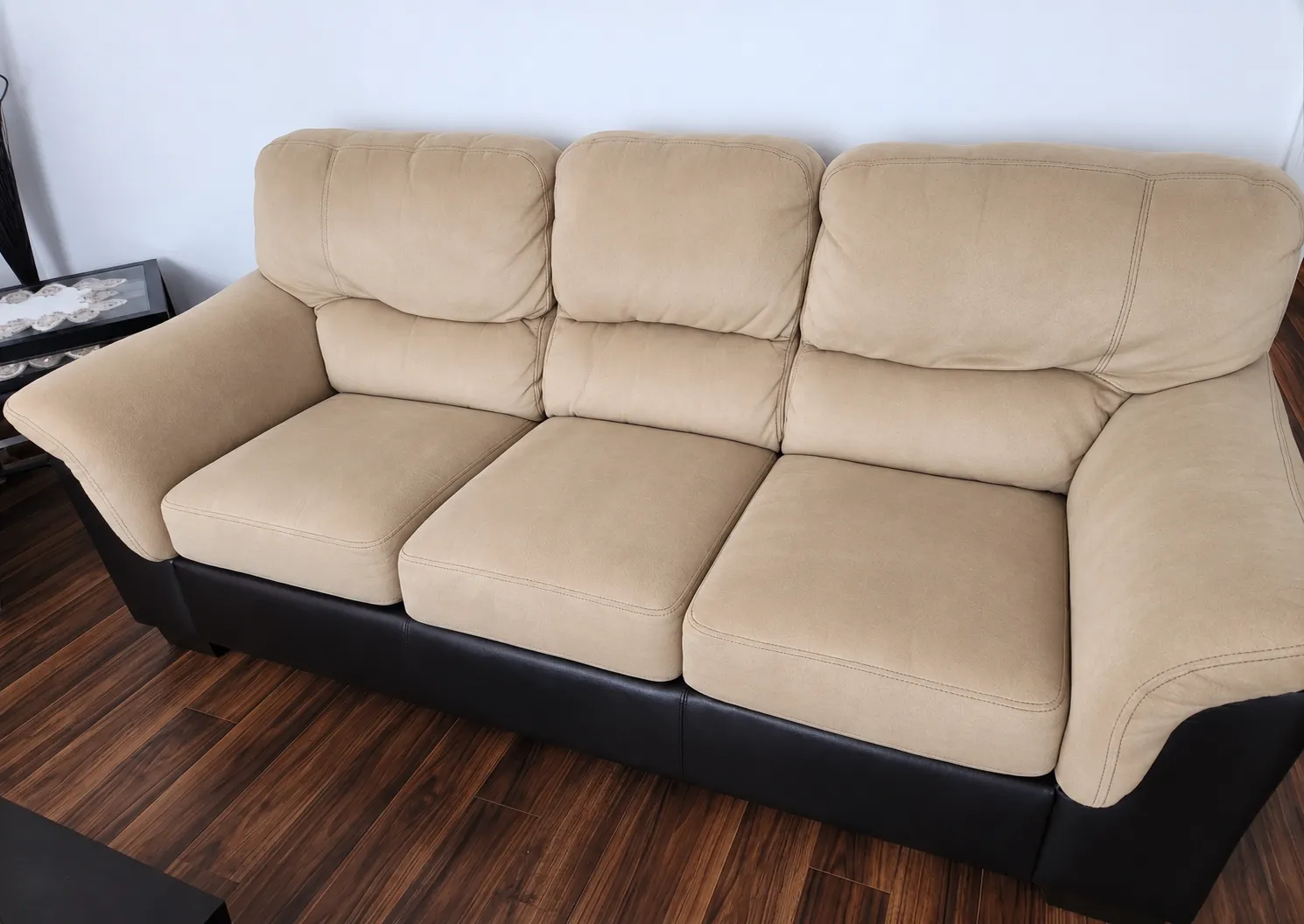
How to Care for Leather Furniture After Professional Cleaning
Professional cleaning can improve the appearance and feel of leather furniture. Surface soil, contact marks, and everyday buildup can make leather look tired, and a careful cleaning followed by a conditioner treatment can bring the surface closer to how it should look. The days after the service also matter, because how the leather is used and maintained influences how long the improvement lasts.
Leather is not a textile. It does not absorb water or react to products the way fabric upholstery does, and aftercare habits that work for a fabric sofa can be the wrong approach for leather. The safest aftercare is simple and conservative: let the leather settle, avoid unnecessary products, and keep everyday routines gentle.
This guide explains how to care for leather furniture after professional cleaning, what to avoid, and why long-term appearance depends on the finish, previous wear, everyday use, and maintenance history.
Let the leather return to normal use gradually
After a professional cleaning, the leather should return to normal use gradually. There is no single waiting period that applies to every piece, because the leather, its finish, and the conditions in the room all differ.
Follow the technician's guidance for when the surface is ready for normal use. Until then, avoid adding unnecessary moisture or household products. The goal is to let the leather settle after the service rather than introducing anything new while the surface is still recovering.
Avoid aggressive household cleaners
Leather finishes vary, and they do not all tolerate the same products. Multipurpose cleaners, strong degreasers, solvents, alcohol-heavy products, and abrasive cleaners can affect some leather finishes, sometimes in ways that are difficult to reverse. Aggressive scrubbing carries a similar risk.
A product that is safe for fabric is not automatically appropriate for leather. Fabric can be soaked, rubbed, and treated with general-purpose cleaners, while leather can react differently to the same product.
When in doubt, apply nothing and ask for guidance before using a product that was not made for that specific leather.
Do not oversaturate leather with water
Routine care should not involve soaking leather. Unnecessary water saturation is not a normal part of everyday maintenance, and it should be avoided after a professional cleaning.
For small everyday spills, prompt blotting or wiping with a clean, soft, dry cloth is preferable to saturating the surface. The idea is to lift what can be lifted without pushing moisture into the leather.
This guide does not provide advanced stain-removal instructions. For anything beyond a simple spill, the safer approach is to leave the area alone and have it assessed.
Keep direct heat away from leather
Concentrated heat sources should not be used to speed up drying. A space heater, a hair dryer, or another direct heat source placed close to the leather can do more harm than the waiting it was meant to shorten.
Normal room conditions are the safer reference point. Let the surface dry at its own pace and avoid creating artificial conditions around the furniture.
Sunlight and everyday wear still matter
Professional cleaning does not stop normal aging. Leather that is used every day continues to change, and the final appearance depends on factors such as friction, body oils, pets, repeated use, sunlight, and the conditions of the room.
Prolonged direct sunlight can contribute to fading and drying over time, and the areas that receive the most contact tend to show the most change. Routine dust removal with a soft cloth is a reasonable everyday habit, but no habit prevents wear entirely.
Cleaning does not repair physical damage
Cleaning is not repair. Cleaning addresses soil and surface contamination, and it can improve how the leather looks and feels. It does not repair physical damage.
Scratches, cracks, peeling, a worn finish, colour loss, and structural damage are not the same as removable surface soil. They can remain visible after cleaning, and their presence does not mean the cleaning was incomplete.
TissuCare offers leather furniture cleaning with a conditioner treatment. Repairing damaged leather is a different kind of work, and this guide does not describe it.
How often should leather be conditioned?
There is no single conditioning schedule that fits every piece of leather furniture. The need for conditioning depends on the leather itself, its finish, how the furniture is used, its environment, and its current condition.
Furniture in constant use may have different needs from a piece that is rarely sat on.
TissuCare offers leather cleaning with a conditioner treatment. The treatment is part of the service, and it does not mean every leather item needs conditioning on the same schedule.
What result should you expect?
A professional cleaning can improve visible soil and the overall appearance of leather furniture. Contact marks, everyday buildup, and surface soil are often the areas that respond first.
Permanent wear, finish damage, cracks, scratches, peeling, or colour loss may remain. Results vary depending on the leather, its finish, previous wear, and maintenance history, and no two pieces respond the same way.
The photographs below show a real leather-cleaning result, not a promise of a specific outcome.
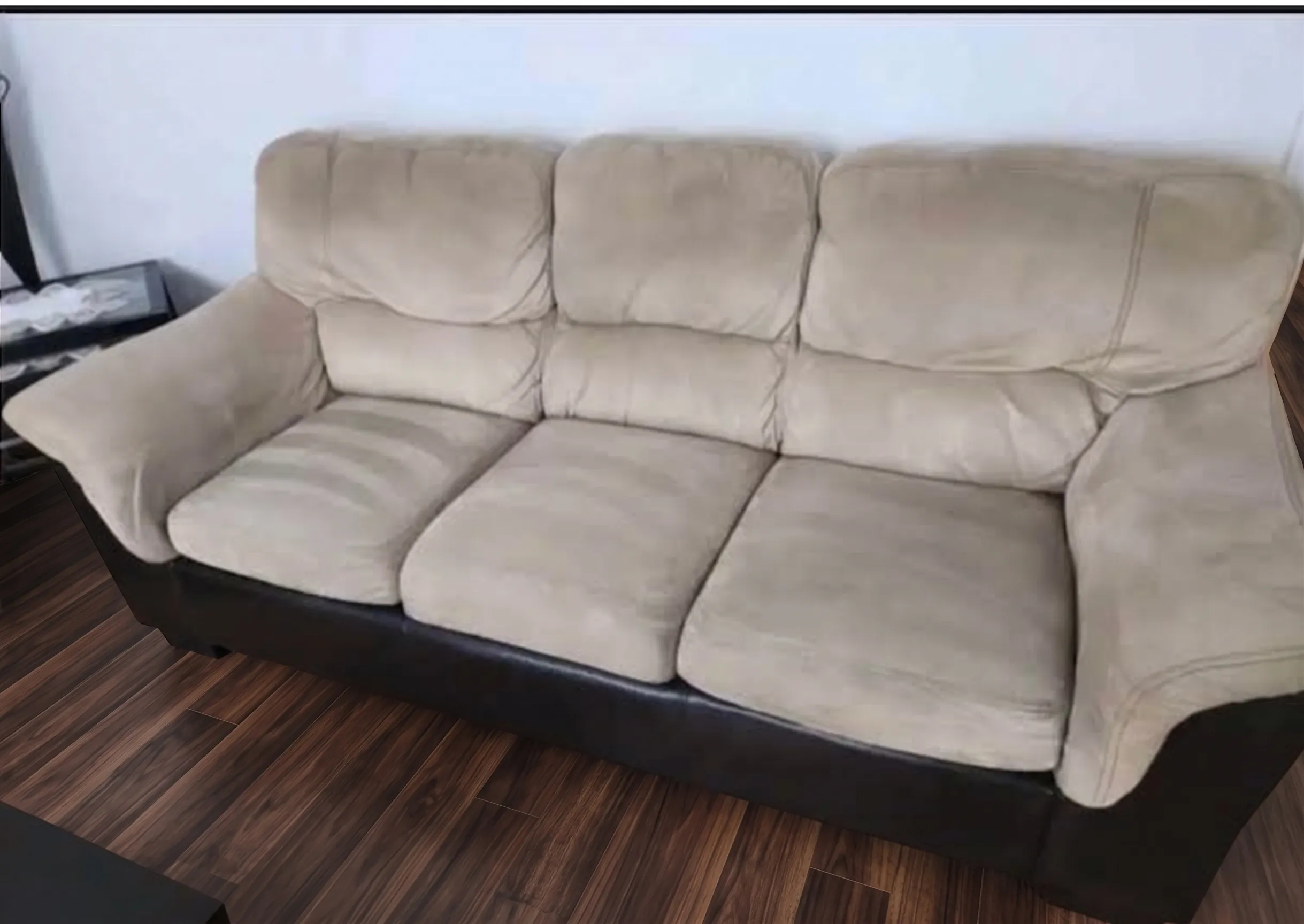
The photographs above illustrate what professional cleaning can look like.
If you are considering professional leather furniture cleaning in Montreal, send clear photographs of the full piece and any areas of concern for an assessment.
Frequently asked questions
Can I use a household cleaner on leather furniture after professional cleaning?
It is better to avoid aggressive multipurpose cleaners, solvents, abrasive products, or products not intended for the specific leather finish. Leather finishes vary, and a cleaner that is suitable for another surface may affect the appearance or finish of leather.
Does leather cleaning remove scratches, cracks, or peeling?
No. Cleaning can address soil and surface contamination, but physical wear such as scratches, cracks, peeling, worn finish, or colour loss may remain. Those conditions are different from removable surface soil.
How often should leather furniture be conditioned?
There is no single schedule that is appropriate for every piece. The need for conditioning depends on the leather, its finish, how the furniture is used, its environment, and its existing condition.
Need help with a stain on your furniture?
Send us photos for an assessment and estimate.