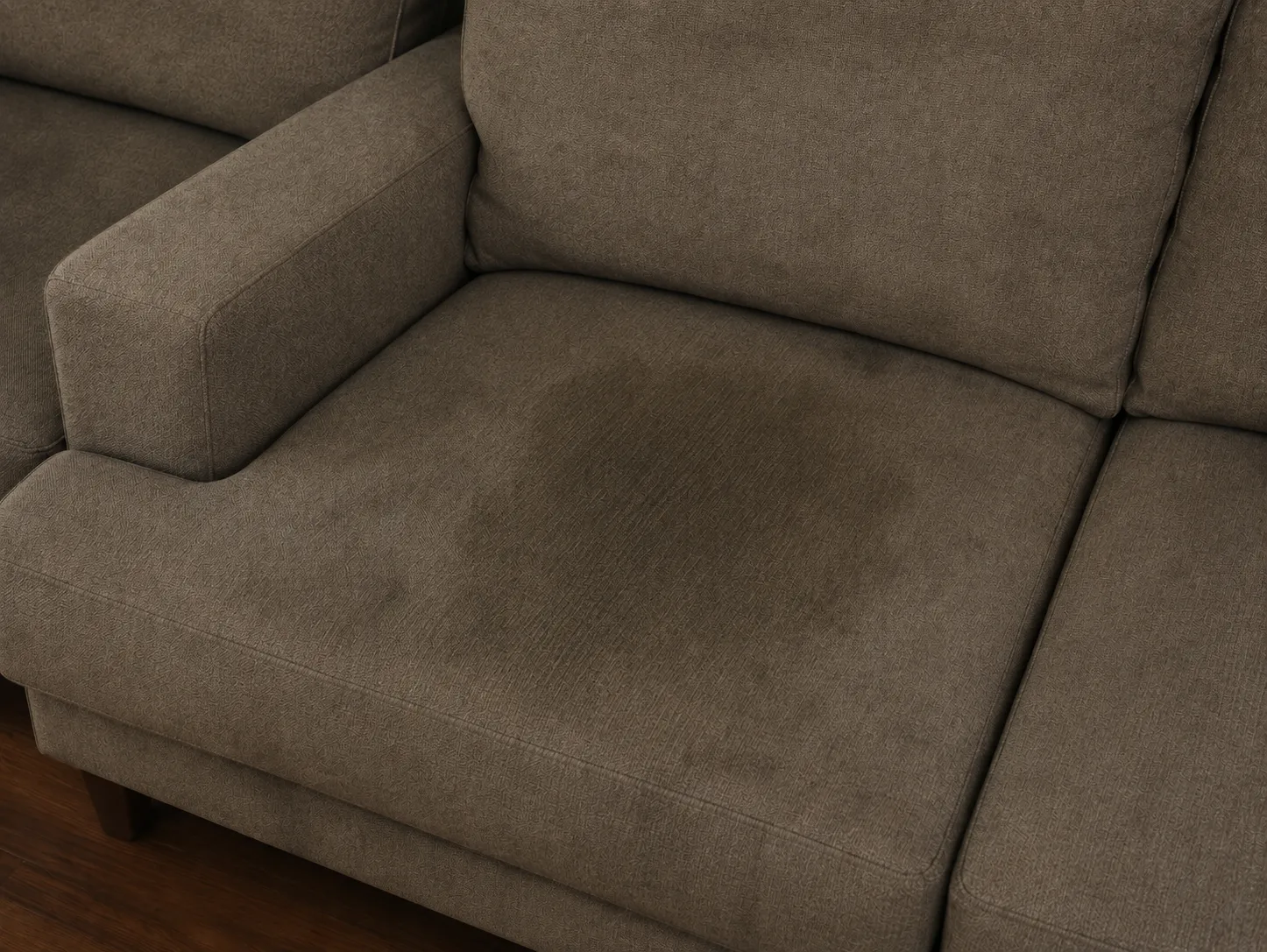
Pet Urine on Upholstery: Why Surface Cleaning May Not Be Enough
A pet accident on a sofa or upholstered chair can look like a simple surface stain. In practice, the visible mark may only show part of the affected area.
Upholstery is made of more than the fabric you can see. Depending on the construction of the furniture and the amount of liquid involved, moisture can pass through the outer fabric and reach padding or other materials underneath.
That is one reason why wiping or spraying only the visible spot does not always solve the problem.
The visible spot may not show the whole affected area
When liquid reaches upholstered furniture, it can spread sideways or move deeper into absorbent materials.
The area visible on the surface may therefore be smaller than the area that actually became wet.
This matters when dealing with pet urine because treating only the visible edge of a stain may leave contamination deeper in the upholstery untouched.
The exact extent varies from one piece of furniture to another. Fabric type, cushion construction, the amount of liquid and the time before cleaning can all affect what happens below the surface.
Why a smell can return after the fabric dries
Sometimes a piece of furniture seems better immediately after a surface treatment, but an odour becomes noticeable again later.
One possible reason is that moisture or residue remains below the outer fabric.
As the upholstery dries, material from deeper layers can migrate toward the surface. This is also why a stain can occasionally become visible again after an area initially looked cleaner.
This does not happen in every case, but it is one reason professional assessment focuses on more than the appearance of the surface alone.
Inspection comes before treatment
Before deciding how to clean pet contamination, the affected area should be assessed.
That normally means looking at:
- the type and condition of the upholstery;
- where the visible contamination is located;
- whether the cushion or fabric has removable layers;
- how far the affected area may extend;
- whether there are odour concerns in addition to visible staining.
An ultraviolet inspection can sometimes help identify areas that deserve closer attention, but ultraviolet light does not identify the exact substance present.
Information from the customer is therefore also important.
Why more chemical is not automatically better
A heavily contaminated area does not necessarily benefit from simply applying more cleaning product.
Too much moisture can create its own problems in upholstered furniture, including slower drying and movement of contamination from deeper layers toward the surface.
The cleaning approach has to balance treatment of the affected area with controlled moisture and proper extraction.
The objective is to address the contamination without unnecessarily soaking the furniture.
What result can be expected?
There is no single result that can be promised for every pet accident.
The outcome depends on the upholstery material, the age and amount of contamination, how deeply it penetrated, previous cleaning attempts and whether permanent colour or material changes have already occurred.
Some situations show substantial improvement. Others may improve only partially.
TissuCare does not promise complete stain or odour removal. The condition is assessed first so the customer can understand what is realistic before the work begins.
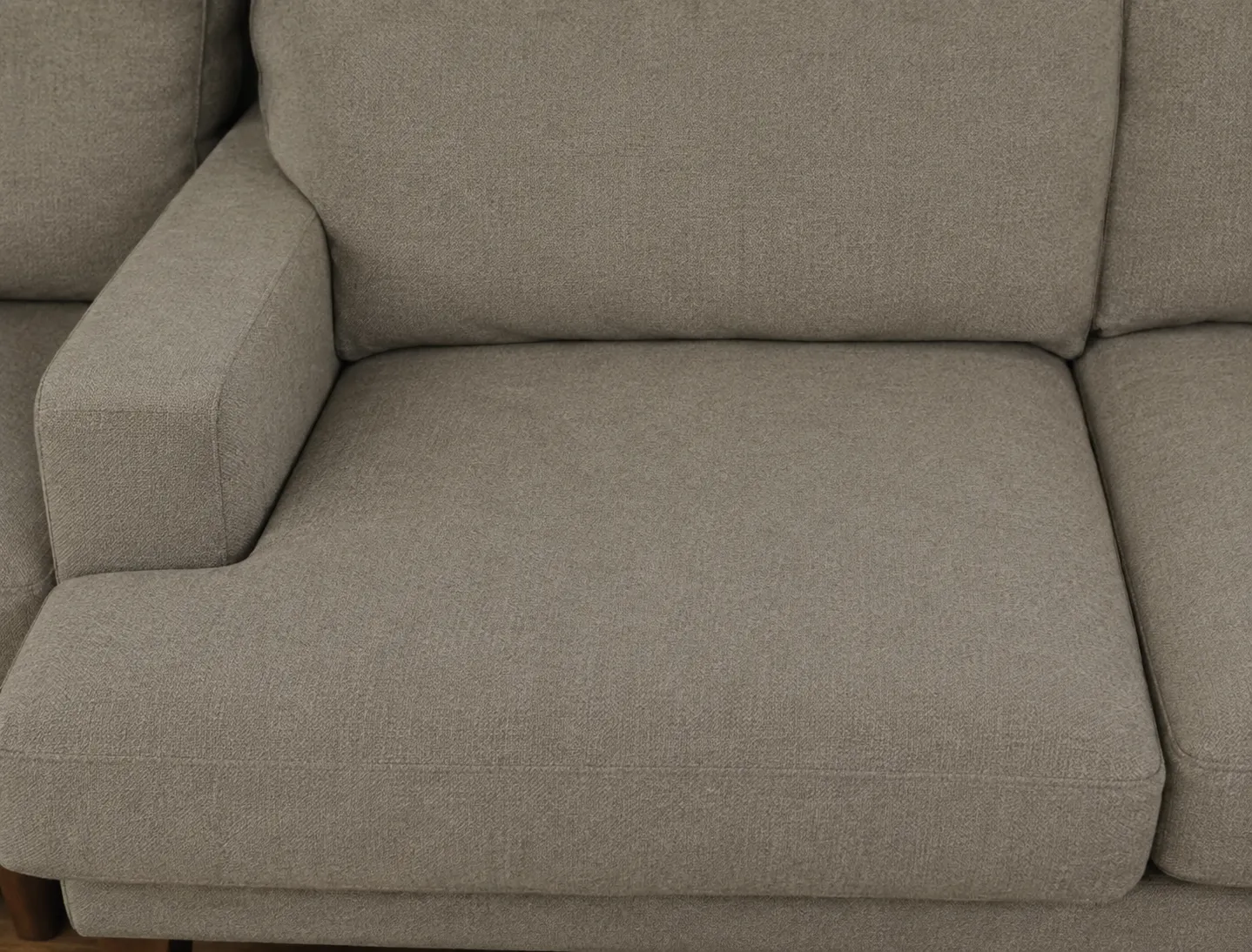
For an assessment, send clear photographs of the whole piece of furniture and close-ups of the affected areas before booking pet accident and odour care.
Frequently asked questions
Can pet urine go below upholstery fabric?
Yes. Depending on the furniture construction and the amount of liquid, moisture can pass through the outer fabric and reach padding or other absorbent materials underneath. The visible surface mark may therefore be smaller than the affected area.
Why can pet urine odour return after cleaning?
An odour can sometimes return if contamination or moisture remains below the outer fabric. As the upholstery dries, material from deeper layers can migrate toward the surface. The result depends on the furniture construction and how deeply the contamination penetrated.
Does ultraviolet light identify pet urine?
No. Ultraviolet light can help reveal areas that deserve closer inspection, but it does not identify the exact substance. The findings need to be considered together with the physical inspection and information from the customer.
Need help with a stain on your furniture?
Send us photos for an assessment and estimate.